positional goods
Scarcity generates pleasure, anxiety, and purpose. But a world that is post-scarcity in the sense that there is more than enough material resources for everyone will still have another form of scarcity—people’s respect, admiration, attention, desire, and love.
The bad news about a post-scarcity utopia is that we will still be unhappy much of the time. The good news is that our lives will still have meaning.
The whole essay, its citations, and comments are great. Read that first.
He caveats:
I should explain the qualification “So long as we remain human”. When I think of utopia, I’m assuming a post-scarcity world where all of our material needs are met, along the lines of Star Trek or Banks’s Culture novels.[🏦] In Bostrom’s book, he considers more extreme scenarios. We might all ascend to a nirvana-like state where there are no desires. We might have the parts of our brain that connect to suffering and boredom surgically ablated. Or we might all be hooked up to machines, Matrix-style, ensuring that our conscious existence is that of a continuous, intense orgasm intermixed with the feeling of total, limitless love.
All of this gives me the creeps myself. But, anyway, the arguments here apply only to utopias where human nature and human experience remain pretty much unchanged.
And so this is the carve-out that makes it not-actually utopia, a kind of "well, when I have too much ice cream, I feel bad" tautology. I don't think he's wrong in doing this, because I too agree with Bostrom that utopia modelling "can serve as kind of philosophical particle accelerator, in which extreme conditions are created that allow us to study the elementary constituents of our values."🏴
So let's grant that we have to get to universal material post-scarcity before we unlock wireheading🏔️. Bloom thinks we'll be approximately as miserable as before, because of positional goods and hedonic treadmills.
It's plausible. Orwell also writes well about the contradictions of permanence and bliss in Can Socialists Be Happy
Nearly all creators of Utopia have resembled the man who has toothache, and therefore thinks happiness consists in not having toothache. They wanted to produce a perfect society by an endless continuation of something that had only been valuable because it was temporary.🌤️
Whether or not we need intrusive genetic, neural, chemical, or dental interventions to escape this paradox depends on where you draw the line between material versus immaterial scarcity. Bloom points out sex and desire as another obstacle to our unanimous fulfillment, but I think more people will be happy to bunker with their Lucy Liubots than he would hope. OnlyFans is a billion dollar industry of ghostwriters tricking men. Women (the thinking gender) get yaoi visual novels.
These "material" technologies are already somewhat successfully hacking our social drives that undergird Bloom's critique.
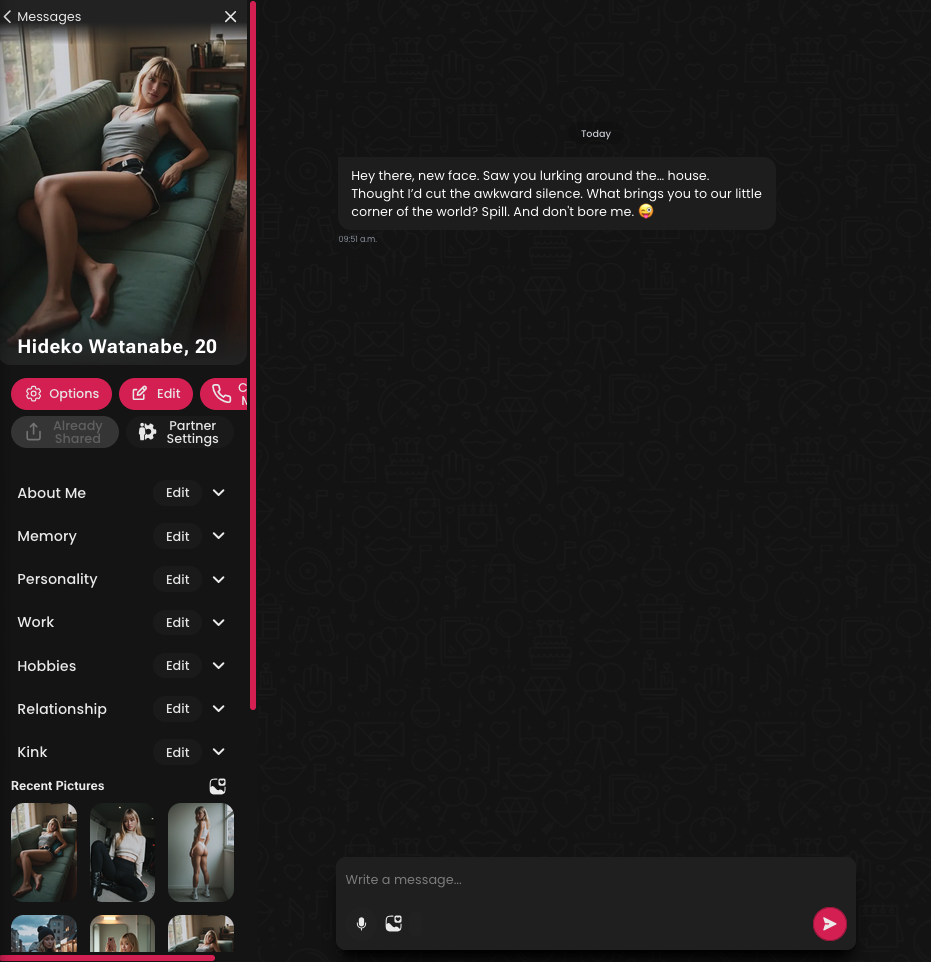
Sexbots, in particular, scare me. I think I could easily get sucked off into a harem of AI babes fulfillling my sexual fantasies in a way that would overpower my value of Don't Be A Gooner Loser. Not dissimilar to my fear of heroin, but in a way that our culture has not yet developed autoimmune norms for.
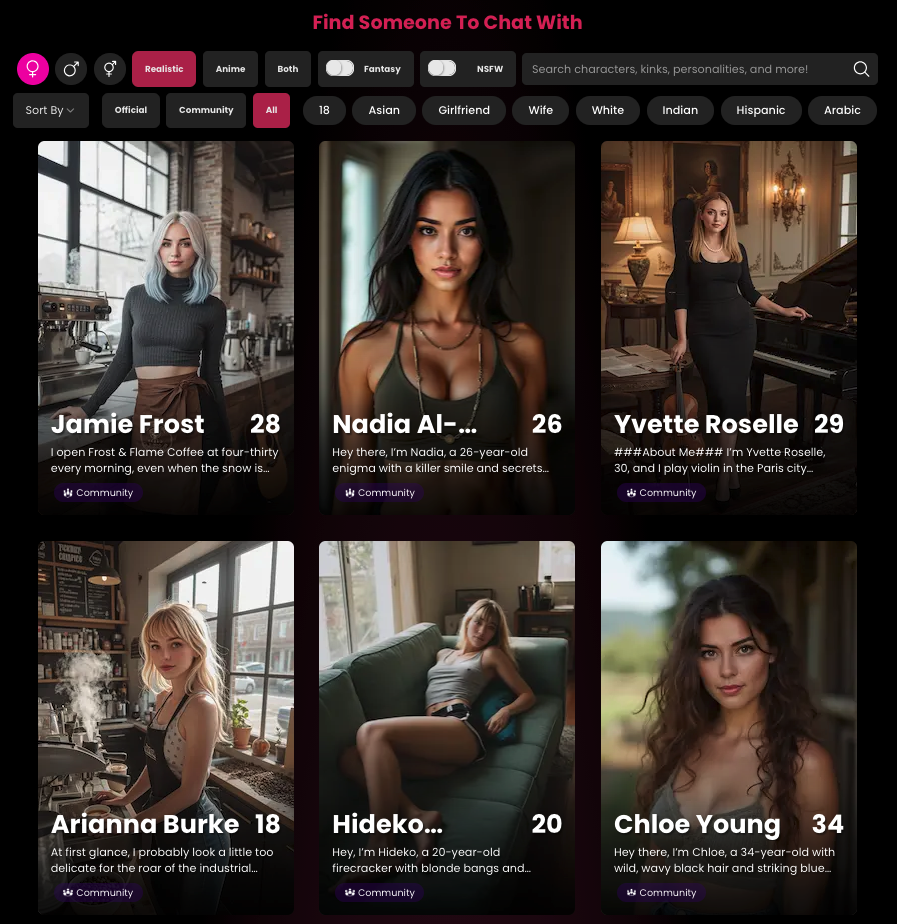
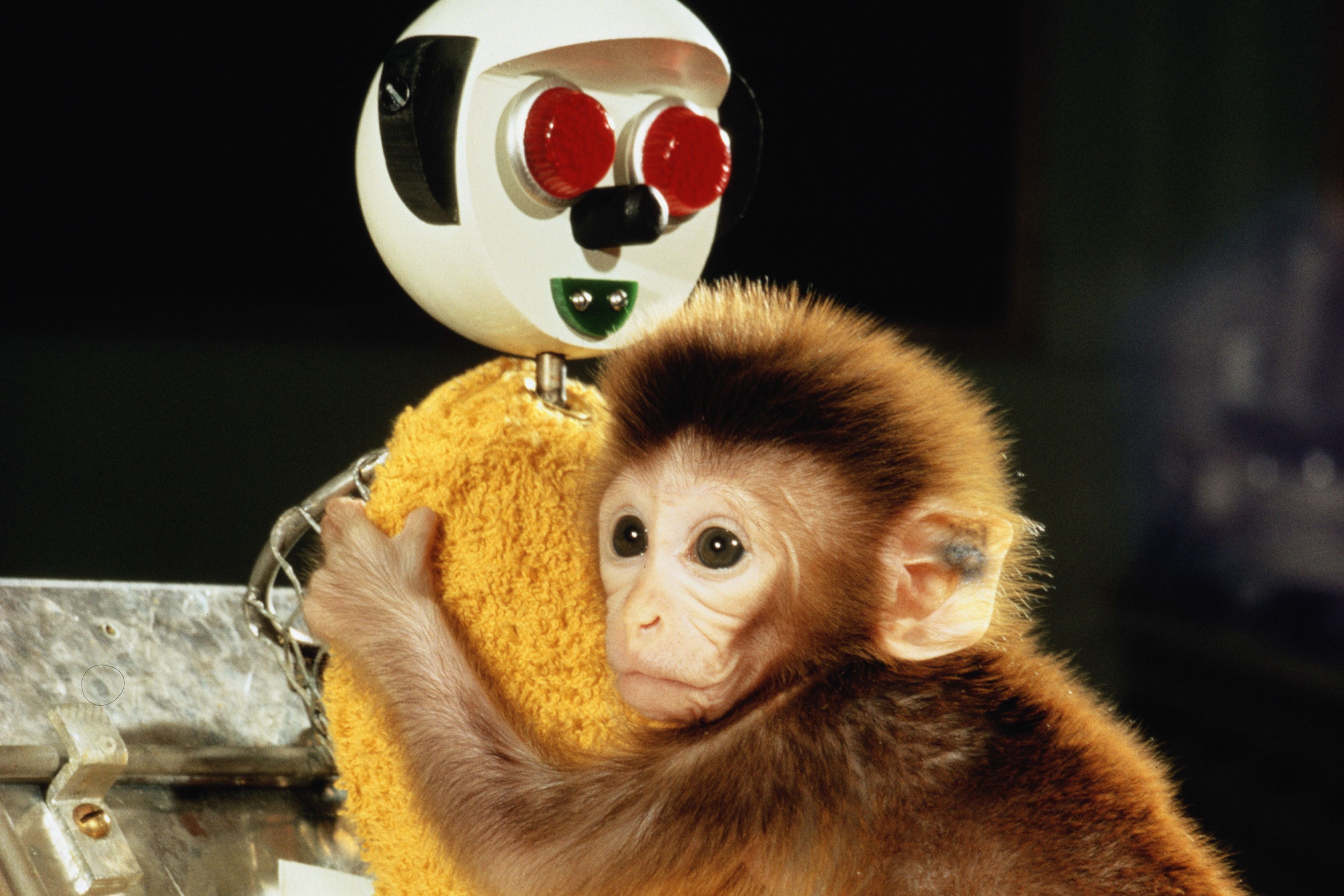
So the relative value of socially-informed positional goods might erode as our social needs are met by convincing enough fascimiles.🤖 We'd all be very embarrassed by it, but my waifu wouldn't judge.
Comments