i  <esau

white mirror

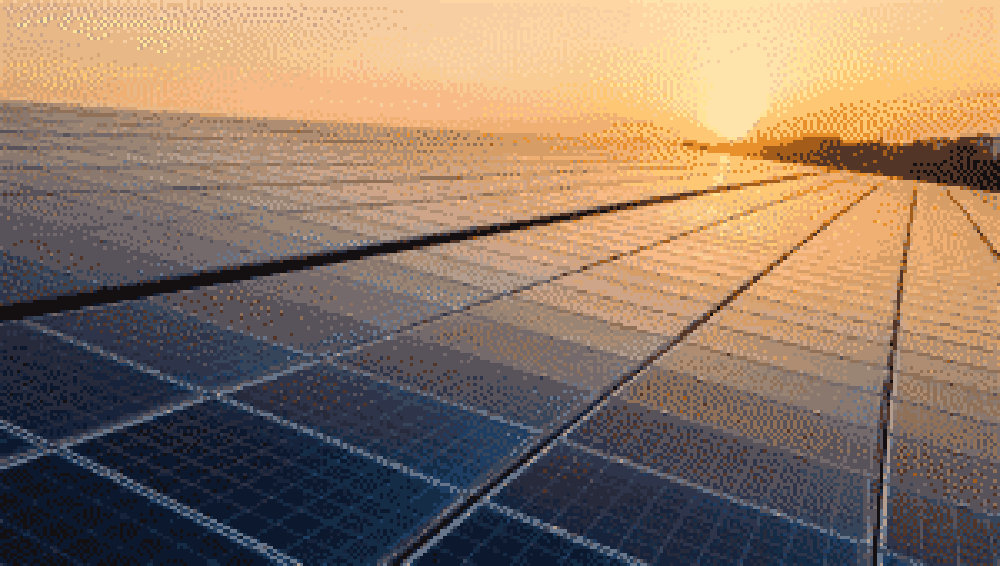
a sun setting on solar panels, very pixelated with a 16 bit colour palette

Klara and the Sun is a novel written through the compound eyes of a constitutionally ingenuous artificial intelligence. I inhaled it in a few days and have been pondering its questions on love, faith, contingency, and authenticity since.

I recommend it! But this post is about an aspect of the story that its author, Kazuo Ishiguro, chose not to interrogate very deeply.

Keep reading β†’

takes a huge drooz rip

Beyond its crux, the flippancy with which The Ones Who Walk Away From Omelas' narrator invents the city is the most distinctive aspect of the story to me. There's a reading where the suffering child is optional - only necessary if you can't buy the first two and a half pages - because the narrator is only negotiating with our suspension of disbelief, not telling us about a place that Really Exists.

Keep reading β†’

technological steps

When I visited Kigali for 2 weeks in 2022, I observed a labour-capital ladder:


At the bottom, the poorest workers could earn a living by carrying fuel to and fro on foot.

Next, people with bicycles did the same thing faster.

If you saved enough from cycling, you could buy a motorcycle and become a mototaxi driver, providing transport for the city's middle class.

Taxi car drivers were on the next rung with air conditioning, personal space, and higher profits.

Keep reading β†’

defeating git rigour fatigue with jujutsu

This post assumes a basic level of familiarity with the jujutsu version control system. If you haven't used jujutsu, you'll still get the gist of the idea, but I recommend reading Steve's Jujutsu tutorial after.

When developing a large feature, writing Good Commits is hard.

Keep reading β†’

critical care (2000)

Last night, I watched the Star Trek Voyager episode Critical Care. In it, the Doctor is abducted into a hospital that is undersupplied & understaffed. He immediately gets to work helping the sick and lambasting the inequity of the hospital's coverage. The rich and powerful get top quality care; the poor get beds to die on. It turns out the hospital's resources are allocated by a computer (the Allocator), which calculates scores for each patient based on a consequentialist rubric. If you're the CEO of a fertilizer factory whose death would result in the deaths of hundreds of thousands of people, you get a high score. If you work in the mines, game over.

Keep reading β†’

grellow

What colour is the pepper on this skewer?

A pepper on a skewer that appears yellow to some and green to others

I say yellow. My colleagues said green.

I value open-mindedness, and in similar situations will defer to the group, but this felt like being persuaded to deny my own subjective experience: a tall order for words alone. I couldn't look at the pepper and say "green green green" and see it as any other colour.

Keep reading β†’

commentary commentary

I don't know why this feels like some sad or significant thing to say - it's one of the internet's oldest clichΓ©s - but, anyone else feeling like comment sections kinda sucky these days?

Keep reading β†’

dithering with css

update 2026-05-8: hello hackernews - whoops, yes, i should have filtered out the noise specks. thanks to kevinsync for the reminder.

this is not a power or bandwidth saving technique Γ  la low tech magazine. it's principally aesthetic.

handy if you're running a site with pictures but you want everything to maintain a consistent aesthetic and colour scheme. might be better to just process the images and save them already dithered, but this way can be customized. (note that the original image is still there beneath the filter, and that's what gets loaded, so, again, this doesn't save bandwidth - but it also means users could vary the effect per theme or toggle it off)

Keep reading β†’